Discover Themes
Presenting Spineless Wonders
Collecting Spineless Wonders
A huge variety of spineless material has been collected by Senate House Library since it was founded over 150 years ago.
The most common spineless format is the pamphlet, found across the Library’s collections and dating from the 15th century to the present day. Subjective and expressive by nature, these publications present a wealth of contradictory and creative voices. They are frequently a medium for controversial and unorthodox ideas and opinions.
Other spineless items in the collection include large, single-sheet ‘broadsides’, playbills, artists' book works and novelties such as telescopic peepshows.
Presenting Spineless Wonders
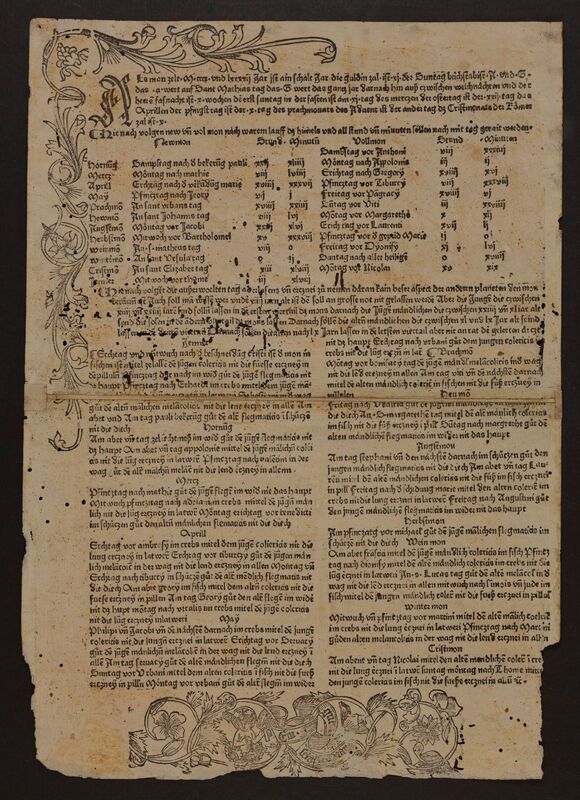
The earliest spineless item in this section is an almanac or calendar from 1491, when printing was new in Europe. Perhaps surprisingly, printers in the 15th century produced ephemeral material like this as well as Bibles and chronicles intended to last.
Pamphlets have a long history of reporting on seditious plots and rebellions. They document trials and confessions while also capturing the anxieties of their readers. Here the 1584 trial of Francis Throckmorton is described. Throckmorton was part of a Catholic plot to depose Elizabeth I in favour of her cousin, Mary, Queen of Scots.
'The Communist Manifesto' is one of the most famous and reprinted pamphlets. First published in German in 1848, it has been translated into numerous languages with lasting political influence worldwide.
Debate, Ideas, And Activism
From the Streets
Activism is about action, not just about ideas. These materials were designed as calls to protest, symbolic acts of resistance and powerful expressions of solidarity.
Documents from the May 68 Paris uprisings highlight the role of print in radical movements. 'The Paper' responds to urban unrest, demonstrating how print remains a powerful tool for activism. Similarly, a 1984 flyer for Stop ‘The City’ calls for mass demonstrations against financial power, using print to mobilise public protest.
'Feminist History in the East End' turns a walking tour into both education and fundraising for Rights of Women. Meanwhile, an invitation to a gathering of the Women’s Social and Political Union (WSPU) reminds us of the importance of community in activism. The elegant silk Suffragette buttonhole became a wearable statement of defiance.

Meeting of Minds
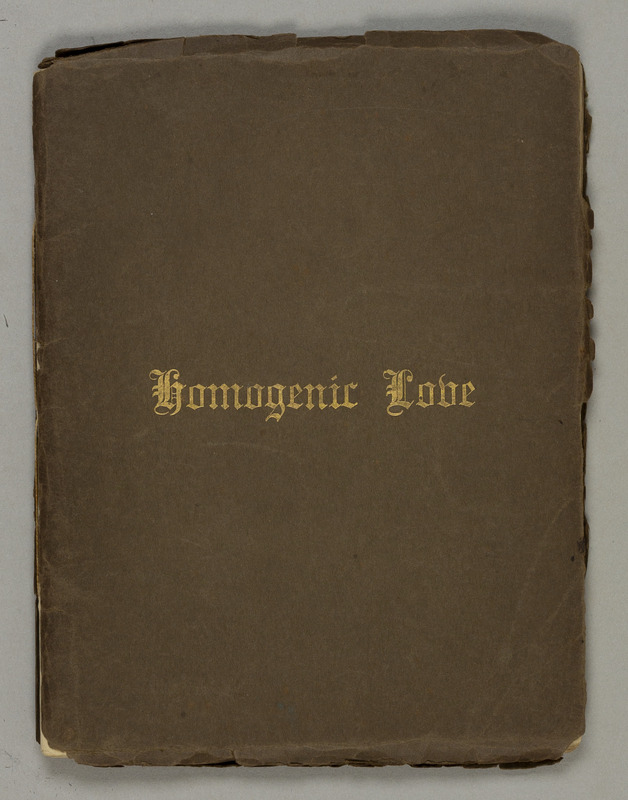
Concise, portable and simply bound, pamphlets enable groups and individuals to seek like-minded readers. In the past, many articulated ideas that were not accepted in the mainstream or were deemed subversive. 'Homogenic Love', a late 19th-century appeal for gay and lesbian equality, was published for
private circulation only.
Pamphlets have challenged dominant narratives, such as on race and gender. The 'Black Power in Britain' pamphlet is an articulation of intentions, beginning with the words ‘Our Manifesto’. Anti-colonialist thought and the voices of Indigenous communities attained wider, often international, audiences when shared in pamphlets. Feminist magazine 'Spare Rib' published a guide on locating anti-sexist children’s books. When fascist politician Oswald Mosley stood for election in Kensington North, a Communist Party anti-fascist pamphlet provided a riposte.
Pamphlets in Conversation
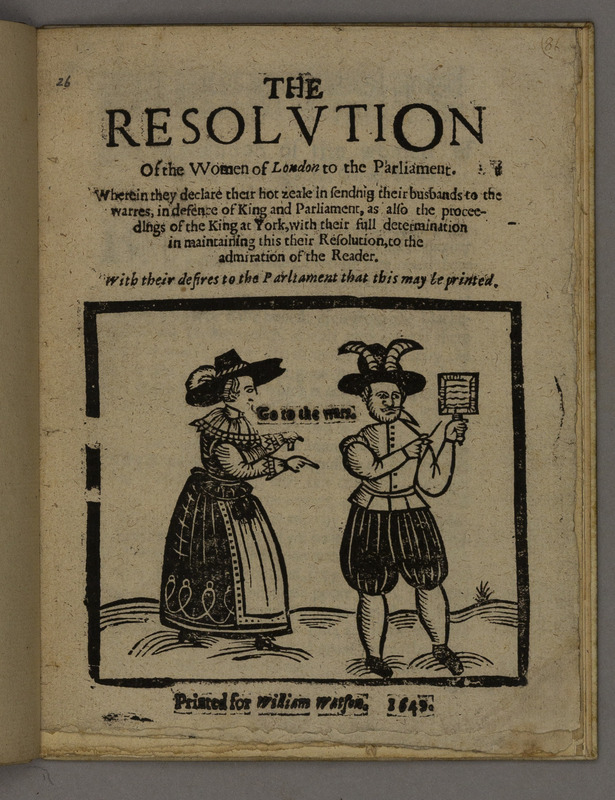
Pamphlets were one of the first formats to engage with current events and debate in times of revolution, crisis and protest. The ‘pamphlet wars’ accompanying the 17th-century English Civil War were a cacophony of news and argument from all sides. They could be mocking satires or the responses of dissidents to the republic established following the execution of Charles Ⅰ.
Pamphleteers and satirists flourished again in the early 19th century. The unpopular Corn Laws, anti-government plots and reform campaigns inspired cheap pamphlets, prints and broadsides. Political argument in pamphlet form continued in the 20th century, particularly among radicals and activists. Pamphlets were a quick and accessible way to spread ideas and manifestos, and an expedient medium for replies and retorts.
Popular Entertainment, Poetry and Performance
Popular Entertainment
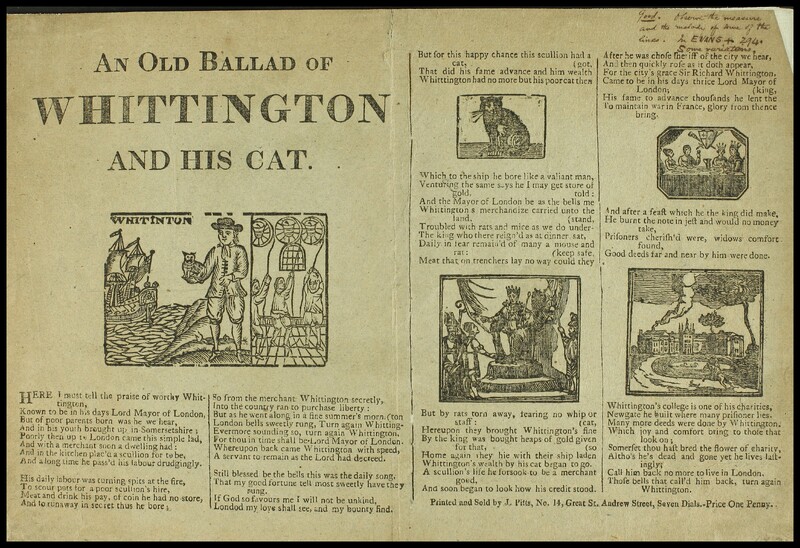
Cheap print productions have provided popular reading and entertainment for hundreds of years. Early forms included sensationalist literature in short, inexpensive pamphlets known as chapbooks. These were sold on the street by hawkers. They commonly featured gruesome accounts of the supernatural and crime. Large format, single sheet ‘broadsides’ of popular stories and ballads like Dick Whittington were also in demand, along with moral stories for children.
In the 19th century, cheaper book production methods created a plethora of print. This ranged from adaptations of novels into plays to amusements such as fortune tellers and magic tricks. Such rare, ephemeral works have often been reproduced as facsimiles, as with the paper doll novelty 'The History of Little Fanny'.
Private Printing
Writers and artists have used spineless formats to self-publish, to experiment and to collaborate. They combine words and design in engaging ways.
Publisher and translator John Rodker's self-published poetry pamphlet has a cover image by painter David Bomberg. W.B. Yeats’s poetry features alongside illustrations hand-coloured by Pamela Colman Smith and Jack B. Yeats. The Pandora Press printed a monthly ‘review of art and letters’ on postcards.
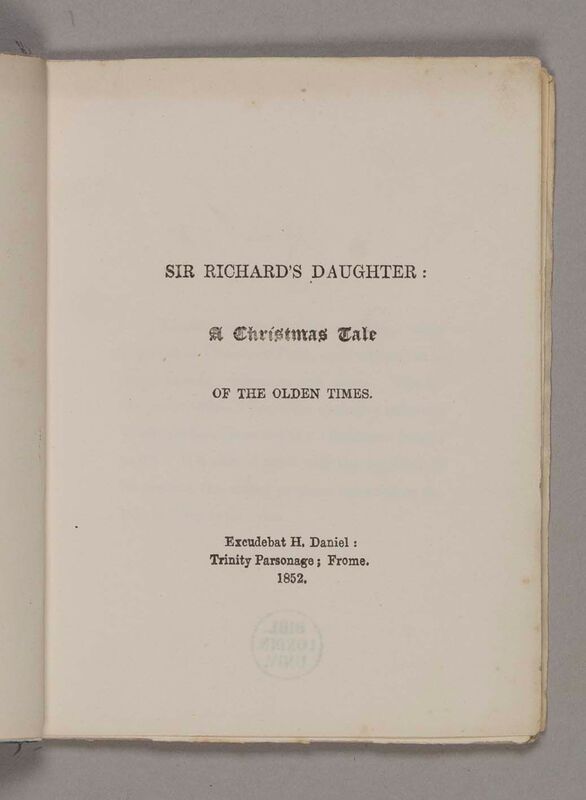
Portable presses heralded a 19th-century boom in ‘parlour printing’, as exemplified by the works of Henry Daniel. Similar presses are still used today, as demonstrated by the Half Pint Press’s recent reworking of a modernist novel.
Many of these works were published in very limited editions. The copy of 'Who Finds Cells', text on paper slips in a glass container, is one of only ten.
Words for Change
Activist literature takes many forms, from poetry and song to theatre and protest ephemera. Limited-edition pamphlets, song sheets and flyers all capture the urgency and creativity of social movements.
Shelley’s 'The Mask of Anarchy' turns verse into a call for resistance against political oppression. Unity Theatre programmes demonstrate theatre’s role in social critique. 'Ey Up Mi Duck' and anti-nuclear 'Songs' from printer John Foreman use poetry and music to give voice to miners’ struggles and Cold War fears.
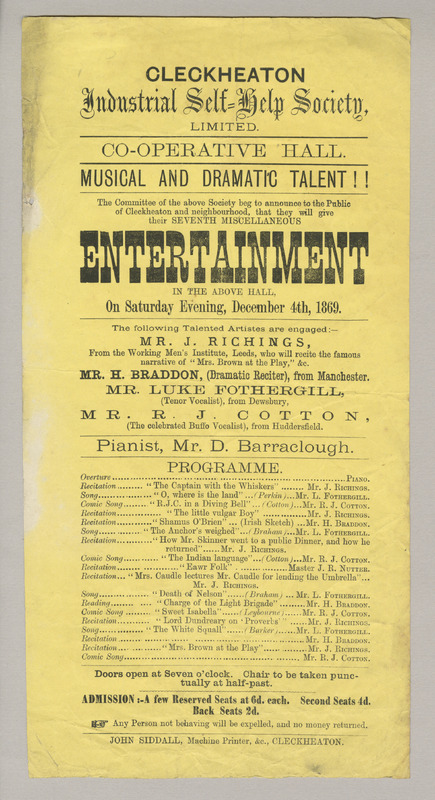
A playbill from Cleckheaton Self-Help Society reflects a rooted, community-driven activity. Queer ephemera, like a photocopied flyer for drag queen Divine, highlights how underground culture crafted its own forms of visibility.
Case Studies
Advertising the Book Trade
Printed ephemera was crucial for the visibility of bookshops, publishers and literary events. These fragile items, whether handwritten, printed or mass-produced, provide insight into reading habits, censorship and commerce. They remind us how print has long been a tool for selling and shaping cultural dialogue.
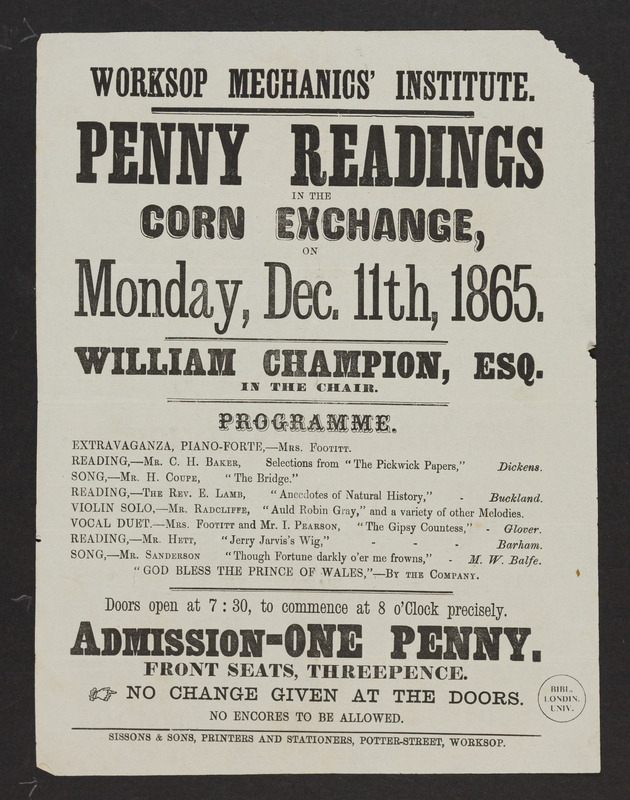
A distinctive 1925 leaflet promotes a lending service from the radical bookshop of Esther and Charles Lahr - and a provocative sign issues a warning to customers looking for ‘dirty’ books. A rare Victorian Penny Readings flyer, once folded for distribution, suggests ‘No encores to be allowed’. A 1942 Dolphin Book Company catalogue showcases another form of literary promotion: the trade in rare and second-hand pamphlets
Community Publishing
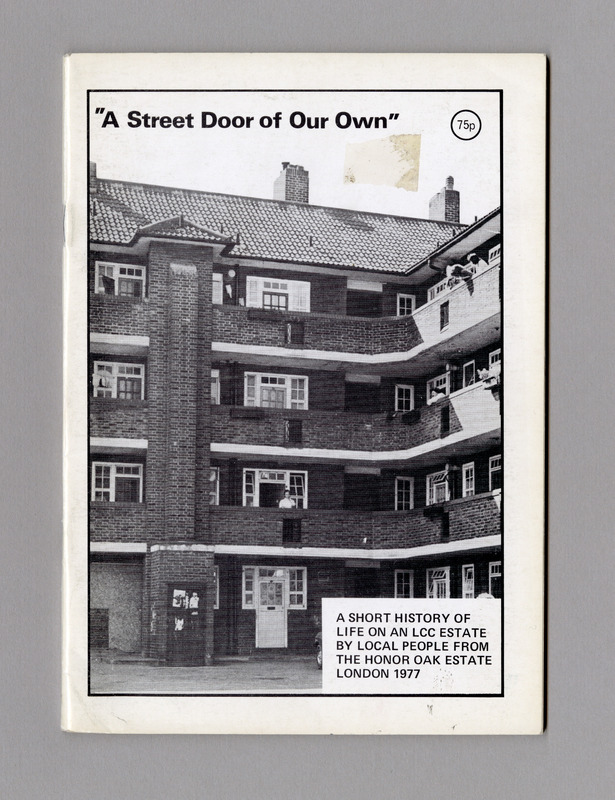
During the 1970s, numerous community publishers emerged across the UK, from Commonword in Manchester to Centerprise in London. They developed from adult education or writing workshops, bookshops and community arts spaces. The publishers had a local focus but a common aim towards accessibility. Poetry, autobiography and prose gave voice to working-class, Black, elderly, young and women writers.
One woman, a prolific poet, reflects on her East London locale from the factory where she works. Black teenagers describe their lives in verse while elderly residents remember housing in the 1930s and 1940s. Caribbean food is explored via recipes and information, and a woman outlines the disintegration of her marriage through a calendar of poems and illustrations.
In 1976, many of the groups united as the Federation of Worker Writers and Community Publishers.
For Your Health
These items provide information and promote campaigns on food and health issues. W.H. White was a doctor who advocated for vegan diets from infancy through lectures, recipe books and the maternity homes he managed. In the 1970s, milk and healthy meals for British school children became political following government cuts, which are staunchly attacked in a typescript flyer.
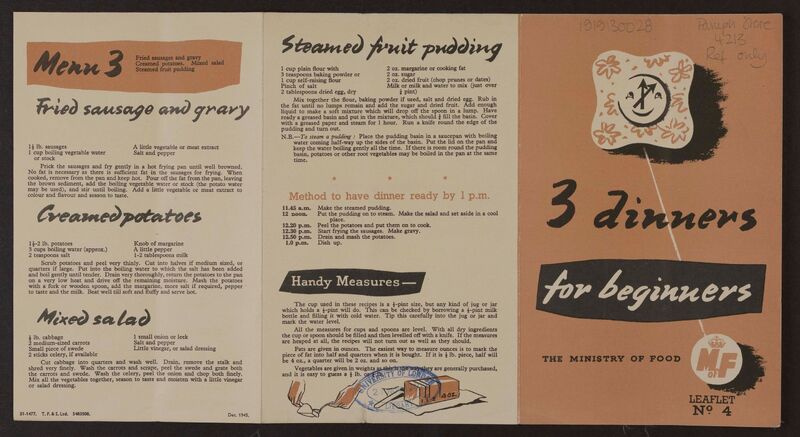
During the Second World War, the Ministries of Health and Information used leaflets and pamphlets to provide advice and spread propaganda. The population faced rationing, so advice on cooking and recipe plans was necessary. Post-war, food supply was still a key issue, and pamphlets emphasised the success and continuing importance of restrictions.