Items
Subject is exactly
Social History
-
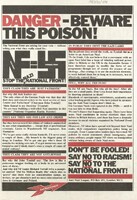 ‘Beware this Poison’: Fighting Fascism in 1970s Britain The Wiener Holocaust Library has its origins in the work of Dr Alfred Wiener, who campaigned against Nazism and fascism in the 1920s and 30s. Dedicated to supporting learning about the Holocaust and its consequences, the Library also holds Collections on post-war fascism and anti-fascism in Britain. This online exhibition highlights far-right nationalist rhetoric and the anti-fascist, anti-racist responses that followed in 1970s Britain. The 1970s was a decade marked by crises. In the context of widespread industrial action, power cuts and economic difficulties, social and economic unrest ensued. Against this backdrop, far-right groups like the National Front also projected a crisis relating to immigration. They increasingly alleged a threat to British life and culture. For the National Front, the advent of a multicultural society threatened their belief in the link between ethnicity, identity and Britishness. In response to the growing influence of the far-right, a large anti-racist, anti-fascist movement emerged. Spearheaded by the Rock Against Racism movement and the Anti Nazi League, anti-fascist groups played a crucial role in fighting fascism in the 1970s and beyond. Using items from the Wiener Holocaust Library’s unique archive, this exhibition highlights the struggle over immigration, race and nation in 1970s Britain.
-
 19th century Post Office workers records go live on the Addressing Health website This page introduces the Addressing Health Data Mapper project which offers unique insights into the health and working lives of workers in the 19th and 20th centuries
-
 75 Years of Human-Computer Interaction and its Impact on Society Our report From Punch Cards to Brain Computer Interfaces: 75 Years of Human-Computer Interaction describes how HCI evolved from the early years of computing in the 1950s, when the subject was dominated by a small number of mainframes, to today’s world where we talk about Graphical User Interfaces and interactive displays used by billions of people.
-
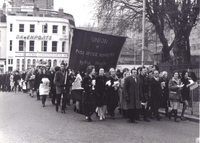 A brief history of national postal strikes This blog post explores the history of the UK's most impactful postal strikes
-
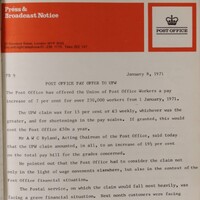 A brief history of national postal strikes Postal Strikes have been recorded since as early as 1890, find out about the UKs most impactful postal strikes to date.
-
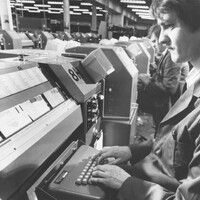 A Day in the Life of a Coding Desk Operator Step into the shoes of Coding Desk Operator Matthew and find out what it was like to work with postal sorting machines in the 1980s.
-
 A few archival collections on grassroot history Archives Portal Europe is a portal that allows to search into million of archival descriptions from thousands of archives, in more than 30 countries. We made a small selection of documents from around the UK and Europe, which allow work on grassroot history.
-
 A Magna Carta Miscellany The "Magna Carta 1225" exhibition took place in summer 2025 at the Society of Antiquaries of London in Burlington House. This online exhibition responds to questions that emerged during the exhibition run.
-
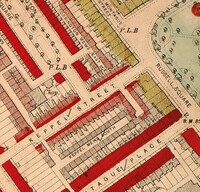 A Place to Call Home: Poverty and Housing in London A joint collaboration between University of London and The London School of Economics (LSE). This exhibition will chart the cultural, economic and political history of the capital over the past 200 years.
-
 AGRA Video Discover more about AGRA. Who has are we and what we do.
-
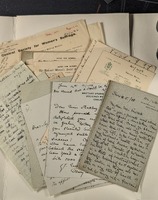 Autograph Letter Collection An extraordinary collection of letters to Women’s Service Library (now The Women’s Library) of prominent correspondents dating from 1851 to 1975.
-
 British LGBTQ+ History Podcast Series, 1800 - Present Day This podcast series, produced by the Historical Association, focuses on UK LGBTQ+ history from 1800 until the present day. Episodes feature Dr Matt Cook and Dr Sean Brady of Birkbeck, University of London, Professor Sally R Munt of the University of Sussex and Dr Emma Vickers of the University of Reading.
-
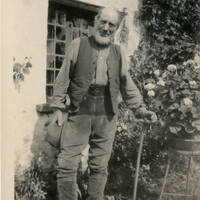 Cecil Sharp's Singers Sharp was one of the only song collectors to take photographs of his singers, and in doing so he has left us a rich insight into the lives of his overwhelmingly working-class subjects — what they wore, where they lived, and sometimes even glimpses of them as people. We selected images which we felt, when married to the story of their subject, achieved this the best. Whether agricultural labourer, gardener, glover, collar worker, sailor or miner, we see this as a celebration of the ordinary people who made the folk revival possible through their art.
-
 Creative writing with the Sheba Feminist Publishers archive. "Charting the Journey" is a collaborative project to explore and celebrate Sheba Feminist Publishers, a collective active in the 1980s and 90s, which was known for championing texts across a range of genres and feminist subjects. The project brings together a group of young poets to collectively explore this archive, create new work in response to it, and showcase that work, celebrating and deepening the original ethos that characterised Sheba Feminist Publishers. Project partners are LSE Library and the Poetry Society and the project has received generous support as part of the Archives Revealed programme.
-
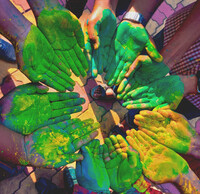 Dig deep: exploring grassroots history and collections on Archives Hub Archives Hub highlights a fascinating range of archives relating to grassroots history and collections.
-
 Exposure and Contrast exhibition now open! Head curator, Indy Bhullar talk about the current exhibition
-
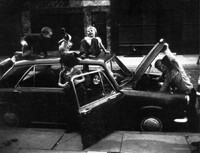 Exposure and Contrast: The Exit Photography Group LSE Library’s Autumn/Winter exhibition derives from a collection of photographs and interviews held in the archives. The group responsible for this collection were called Exit and they came together in the 1970s to bear witness to the changes and challenges impacting Britain’s inner cities. 30,000 photos and 100 hours of interviews were edited down and released in the book ‘Survival Programmes: In Britain’s Inner Cities’ published in 1982 by Open University Press.
-
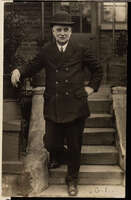 George Lansbury Archives Personal papers and correspondence covering many political and social issues of the early 20th century.
-
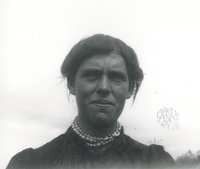 Gypsy and Traveller voices in archives The English Folk Dance and Song Society’s Vaughan Williams Memorial Library’s archives contain many songs sung by Gypsies and Travellers. This resource makes these songs more accessible to the communities from which they came. Romani Gypsy academic and poet Dr Jo Clement of Northumbria University created this resource in 2023 to make our Gypsy and Traveller collections more accessible, particularly for Gypsy and Traveller people seeking engagement with their cultural heritage.
-
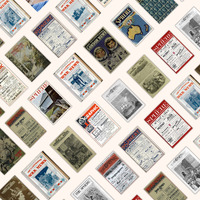 Historic View of Illustrated London Periodicals A moving snapshot of the archives of The Illustrated London News, The Illustrated War News, The Graphic & The Sphere circa 100 years ago.
-
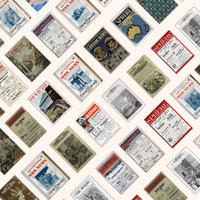 History from an Era of Illustrated News A handpicked selection of 80+ articles from the archives of The Illustrated London News, The Illustrated War News, The Graphic & The Sphere spanning royal, society and military history.
-
 HIVstory Project The NHST's HIVstory is an innovative three year outreach programme that travels around the UK informing a diverse selection of community groups about the history of the AIDS pandemic through an exciting programme of events, including: Exhibitions Presentations Heritage Training Opportunities Volunteering Film Screenings Inspiring Arts based projects
-
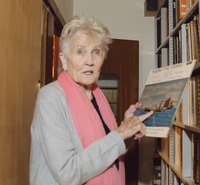 In the archive with Peggy Seeger Peggy Seeger herself joins us to explore the Cecil Sharp House sound archive and pick out some favourite records.
-
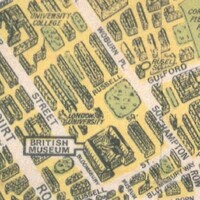 In the Footsteps of Exiles This online exhibition has been curated as a virtual history walk around the University of London's Bloomsbury campus, based on a series of guided walks carried out by staff of Senate House Library. The exhibition can also be used as the basis for a self-guided walk.
-
 Introducing Queen Mary Digital Collections A new platform for our digitised Archives and Special Collections launched this year. Some highlights include the Autobiography of Constance Louisa Maynard (1849-1935) a pioneer of women's higher education, prints created by art students in Atelier Popularie during May 1968 student revolution in Paris and the People's Palace Journal's reporting on Victorian East London. Collections continue to be added and enhanced through transcription to enable searching of our records like never before.