-
 History Day SM Square.jpg
-
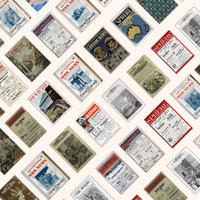 History from an Era of Illustrated News
A handpicked selection of 80+ articles from the archives of The Illustrated London News, The Illustrated War News, The Graphic & The Sphere spanning royal, society and military history.
-
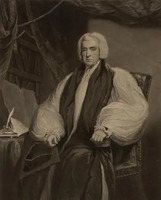 History in the Making – Beilby Porteus and the Abolition of Slavery
This blog post was written by Dr Karen Attar, Curator of Rare Books and University Art at Senate House Library, University of London.
-
 History Lab
 is the national network for postgraduate students in history and related disciplines. Based at the Institute of Historical Research, it serves as an intellectual and social forum that connects, empowers, and supports the postgraduate history community. We organise blogs, conferences, seminars, and training workshops that provide opportunities for the next generation of historians to discuss ideas and drive the study of history forward.
History Lab is dedicated to accessibility, diversity, and inclusion. We welcome members working on any period, geographical location, methodology, and area of historical study. To date, we have over 1,000 members.
Our Research Seminar, held fortnightly on Thursdays from 5:30-7:00 PM (via Zoom), provides a chance to hone your presenting skills and share research problems in a conversational and welcoming setting. Every December we run a popular ‘Elevator Pitch’ session, where participants present their research in three minutes.
In addition to our seminar series, we organise an annual conference at the IHR, wide-ranging networking and training events, and host a blog where you can publicise highlights from your research. Alongside our scheduled events, we also use social media and a monthly newsletter to create opportunities for our members to connect with other researchers, build experience, and share tips and advice on graduate life.
-
 History Lab +
HistoryLab+ is the Institute of Historical Research’s network for early-career historians. The committee works with the IHR, learned societies, and professionals across the education, GLAM, publishing, and other sectors to provide members with tailored support, including career-development training, networking opportunities, resources, and a programme of events showcasing recent historical research and projects in a wide variety of specialisms. If you are approaching the end of a doctorate in History or a related subject or a post-doc in the early stages of a career in any sector, then HistoryLab+ could be for you!
-
 History of Parliament
The History of Parliament is a research project creating a comprehensive account of parliamentary politics in England, then Britain, from their origins in the thirteenth century. Unparalleled in the comprehensiveness of its treatment, the History is generally regarded as one of the most ambitious, authoritative and well-researched projects in British history.
It consists of detailed studies of elections and electoral politics in each constituency, and of closely researched accounts of the lives of everyone who was elected to Parliament in the period, together with surveys drawing out the themes and discoveries of the research and adding information on the operation of Parliament as an institution.
-
 HIVstory Project
The NHST's HIVstory is an innovative three year outreach programme that travels around the UK informing a diverse selection of community groups about the history of the AIDS pandemic through an exciting programme of events, including:
Exhibitions
Presentations
Heritage Training Opportunities
Volunteering
Film Screenings
Inspiring Arts based projects
-
 HIVstory Project
Introducing our new national outreach programme, 'HIVstory'.
Discover the unique, personal stories of those impacted by the HIV/AIDS pandemic of the 80s and 90s.
Find out why it's vital that we preserve this crucial piece of UK heritage and educate future generations across the country.
-
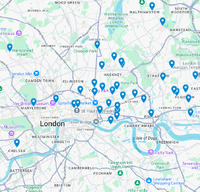 Hospital and dispensary records at Barts Health NHS Trust Archives
A map of current and former hospitals in the City and East London (and beyond), records of which are held at Barts Health NHS Trust
-
 HOWL: History of Women's Liberation
HOWL stands for ‘History of Women’s Liberation’
The main aim of HOWL is to collect and publish the memories and stories of feminists involved in any of the many layers of the UK Women’s Liberation Movement.
-
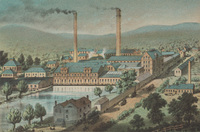 Imperial designs: technology and empire in the 19th century
This exhibition covers the period when Britain experienced the peak of her imperial and industrial power. In the years 1815 to 1870 she was undoubtedly the ‘workshop of the world’, and there was no rival posing both a military and an economic threat.
-
 Imperial War Museums
IWM holds over 33.5 million items including personal papers, museum records, photographs, sound recordings, film footage, printed material, objects and a large art collection relating to war and conflict.
-
 In Rovers We Trust
Non-profit group developing the Doncaster Rovers Football Museum & other fan projects.
-
 In the Footsteps of Exiles
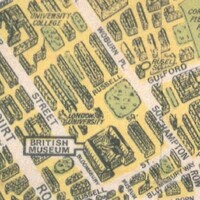
This online exhibition has been curated as a virtual history walk around the University of London's Bloomsbury campus, based on a series of guided walks carried out by staff of Senate House Library. The exhibition can also be used as the basis for a self-guided walk.
-
 In the Spotlight: Mid-Century Women Artists from the Charles Hasler Collection
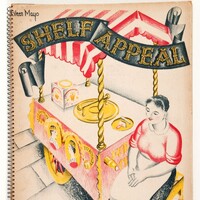
This blog post spotlights and celebrates the work of three women artists who feature in the Charles Hasler collection at the University of Reading Special Collections. All three artists, Eileen Mayo, Barbara Jones and Enid Marx, were very active in the mid-twentieth century, and are notable for developing their own original and innovative styles and interests, and applying their creative talents to a wide variety of different art forms.
-
 In the Veins
‘In the Veins’ resonates through time, using over a century of archive footage to shine a light onto the face of the mining heritage of Yorkshire and the North East of England.
A story of hardship and hope, division and defiance, perseverance and pride; this is not a history lesson, it’s an emotional journey that digs deep into the heart of a community built on coal.
Commissioned by Teesside University and produced by the Yorkshire and North East Film Archive, the film is the result of mining for archive ‘black gold’ in amateur and professional films, promotional footage and regional BBC and ITV television programming and news, totaling over 115 source films, then carefully crafting a respectful production that would represent a proud and often forgotten community.
Released in 2024 to coincide with the 40th anniversary of the end of the 1984/85 UK year-long coal mining strikes, the 24-minute film has been screened at film festivals, in regional libraries, museums and published on YouTube. Importantly, it has been screened in community centres and village halls in former mining communities across the North of England, many of which are still feeling the effects of the end of the mining industry.
Telling the story of the coal industry, but significantly the human experience, through only archive footage and found voices in the vaults of the Yorkshire and North East Film Archive, was a massive undertaking. The 13-strong volunteer ‘community curator’ group who have lived and worked in mining communities, at the coalface, in the community, were central to ensure the film was meaningful and authentic.
-
 Inner Temple Library and Archives
The Inner Temple Library is a legal reference library, which dates back to 1506. It supports the information and research requirements of barrister, student and judicial members of all four Inns of Court. It is not open to the general public.
-
 Institute of Advanced Legal Studies
The national research library for law – with over 310,000 legal texts and an extensive collection of online resources for legal research
-
 Institute of Classical Studies
The Combined Library of the Institute of Classical Studies and the Hellenic and Roman Societies is a major resource for those working on research in the languages, literature, history, art, archaeology and philosophy of the ancient Greek and Roman worlds.
-
 Institute of English Studies
The Institute of English Studies is a unique research centre that speaks both for and about books. We specialise in the history of the book, manuscript and print studies, textual scholarship, digital editing, and new critical approaches to literary history. Our constellation of expertise and distinctive teaching profile places us at the forefront of book history in the UK. We also perform a vital advocacy role, championing the study of English within the academy and beyond. As English Studies responds to the challenges and opportunities of the twenty first century, the IES is working to shape the conversation about its future.
Alongside our cutting-edge MA /MRes programme in the history of the book, we run two major international summer schools providing research training in book history and manuscript studies. We support our intellectual community, at all career stages, through our research training, seminars, conferences, workshops, and fellowship programme, and champion innovative and inclusive research in English Studies. We work closely with a dynamic network of partners, including world-leading libraries, creative practitioners, museums, archives, rare book dealers, learned societies, and subject organisations.
-
 Institute of Historical Research
The Institute of Historical Research is the UK’s national centre for history, dedicated to supporting historians of all kinds.
The Institute helps foster public understanding of history and its social, cultural, and economic importance, advocating for the long-term future of the discipline and supporting its growth and development. It offers a wide range of services both onsite and remotely that facilitate excellence in historical research, teaching and scholarship in the UK, through our library, events programmes, fellowships, training and publications. It promotes the study of people and locality through our Centre for the History of People, Place and Community.
Sign up for a monthly e-newsletter with regular updates about events, training and publications.
-
 Introducing Queen Mary Digital Collections
A new platform for our digitised Archives and Special Collections launched this year.
Some highlights include the Autobiography of Constance Louisa Maynard (1849-1935) a pioneer of women's higher education, prints created by art students in Atelier Popularie during May 1968 student revolution in Paris and the People's Palace Journal's reporting on Victorian East London.
Collections continue to be added and enhanced through transcription to enable searching of our records like never before.
-
 Introducing RHS Digital Collections
In this video, Fiona Davison, Head of Libraries and Exhibitions at the Royal Horticultural Society, introduces RHS Digital Collections, a newly digitised collection of over 10 000 items which captures the history of gardening over 500 years, and is free to use.
-
 Introduction to Special Collections
This video offers an introduction to the Special Collections at Londo Metropolitan University
-
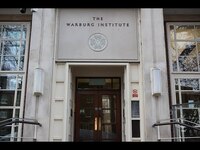 Introduction to the Warburg Institute Library
A brief introduction to the collections of the Warburg Institute Library.