-
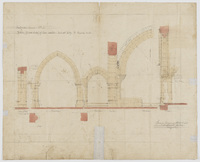 Paul Joyce Archive : original drawings and papers on G.E. Street and Victorian Gothic Architecture
 Paul Joyce (1934–2014) was an architectural draughtsman and historian with a life-long interest in the work of George Edmund Street (1824–1881), a leading architect of the Victorian Gothic Revival. The Centre holds Joyce’s archive, containing material compiled in the course of his research on G.E. Street and other Victorian architects. The archive is fully catalogued and available for research. This spotlight feature highlights original drawings from the archive and a representative sample of Joyce’s research.
-
 Paul Mellon Centre for Studies in British Art
 Based in London’s Bedford Square, the Paul Mellon Centre for Studies in British Art is an educational charity and research institute that supports new ways of understanding British art history and culture. We publish, teach and carry out research, both at the Centre in London and through our online platforms. Our archives, library and lively events programme are open to researchers, students and the public. The Centre’s grants and fellowships programme supports institutions and individuals with research projects, publications, exhibitions and events. Through all areas of our work, we promote activities that enhance and expand knowledge about British art and architecture. The Centre was founded in 1970 by the art collector and philanthropist Paul Mellon. It is part of Yale University and a partner to the Yale Center for British Art.
The Centre holds Library, Archives and Photographic Archive collections and is a key destination for research into British Art and Architecture and related subjects. Our collections are free to access and open to all.
Get in touch and make an appointment if you are interested in using our collections for your research: collections@paul-mellon-centre.ac.uk
-
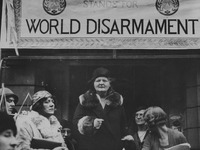 Peace and Internationalism
 This page highlights LSE Library's collections on peace and internationalism
-
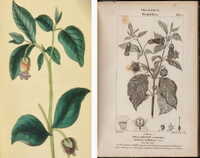 Poisons and the development of Toxicology in the 19th century
 A cursory survey of 19th century publications and press testifies to a morbid fascination with poisons and poisonings.
-
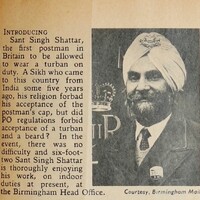 Postal Uniforms: The case of Sant Singh Shattar
 How a 1960 application changed who could be employed as a postal worker.
-
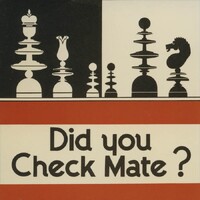 Posters designed for - and by - Post Office employees.
 In the early 1960s, the Joint Production Council (made up of management and union representatives) produced posters designed by members of Post Office staff.
-
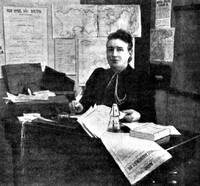 Postmistresses in the Victorian Post Office
 This blog post explores the lives of Victorian postmistresses and gifts they received on their retirement
-
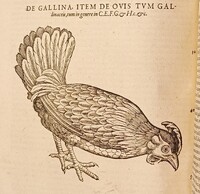 Poultry against the Pestilence: Early Modern Surgeons’ treatments for the Plague
 During a three hundred year period from the 14th to the 17th century plague physicians, surgeons, and other medical practitioners reprised ancient forms of knowledge, as well as devising innovative treatments for the disease, producing a wealth of textual evidence. Thomas Banbury, this year's HLCE grant holder, has scoured the library for plague tracts and found one of the most outlandish and superstitious-seeming recommendations called the "Live Chicken Cure".
-
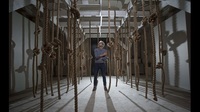 Prejudice & Pride: exploring LGBTQ lives at the National Trust
 This research project – a collaboration between the National Trust and RCMG – enriched and informed the Trust’s 2017 programme that formed part of the nation’s commemoration to mark 50 years since the partial decriminalisation of homosexuality.
-
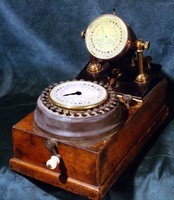 Professor Sir Charles Wheatstone:
 This exhibition covers Professor Sir Charles Wheatstone’s life and work as a scientist, inventor and businessman, including his involvement in the invention of telegraphy and the stereoscope.
-
 Queen Mary University of London Archives and Special Collections
 We look after and provide access to the University’s own historical records and rare books, personal archives, other organisation's historic records and special collections.
-
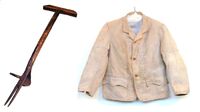 Queer Constellations: The Histories of Rural Gay Men
 Criminal archives are the most common source of gay histories, as male homosexuality was illegal until 1967. Through searching assize records on Ancestry, and investigating court reports via the British Newspaper Archive, we identified rural occupations for some of the men placed on trial. By comparing these occupations to objects in our collection, we aim to show that these men were more than just a conviction. They were ordinary people living ordinary lives.
An online exhibition inspired by the 2021 physical exhibition, 'Queer Constellations: Artistic Trespass and Rural Gay Histories'. 'Queer Constellations' posed the question as to whether there is queerness in rural life. It brought together artists from around the UK and Ireland, including Epha J Roe, James Aldridge, Emma Plover, Gemma Dagger, Eimear Walshe, Claye Bowler and Daniel Baker, to delight in the strangeness of rural life and to feel its enough-ness. The MERL invited users to trespass the space, explore the margins, and to join us in queering the countryside.
-
 Queer Heritage and Collections Network
 The Queer Heritage and Collections Network is a UK-wide Subject Specialist Network that provides training, networking and peer support to people working with LGBTQ+ collections and histories. We support galleries, libraries, archives and museums that are developing public programming bringing LGBTQ+ histories and themes to the fore.
-
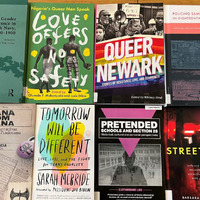 Queer History in the IHR
 This page brings together selected resources (events, library and digital resources) from the Institute of Historical Research for the Queer History Trail for History Day 2025
-
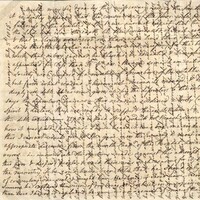 Queer letters from Victorian England
 How Victorians were able to send coded messages in the post.
-
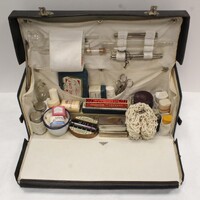 RCN Object Collection
 The collection is made up primarily of medical tools, nursing equipment, memorabilia and a small collection of uniforms related to nursing , from the late-19th century to the present day. You can see objects from the RCN object and art collections on display in our exhibitions at the England Library and Museum and the Edinburgh Learning Hub.
Find out what objects we hold by searching the online catalogue.
-
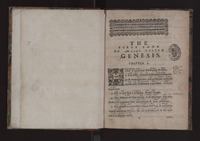 Reclaiming a Language: Contextualizing John Eliot’s Genesis
 This blog focuses on how both The Eliot Genesis and Bible were used by European colonisers to enact what Indigenous theologian Tink Tinker describes as a cultural genocide. It also highlights the Wôpanâak Language Reclamation Project.
-
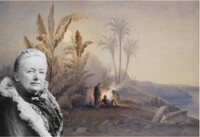 Remembering Amelia Edwards this Pride Month
 This year the EES celebrated Pride by remembering their founder, Amelia B Edwards. Amelia was a Victorian novelist, travel writer, and pioneer of British Egyptology, but her personal life and relations with other women have often been ignored by the field she founded.
-
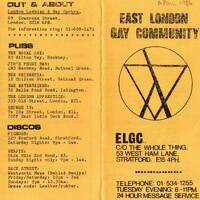 Remembering the East London Gay Community
 The East London Gay Community supported one another and made sure to have a lot of fun! Regular activities ranged from a helpline and coffee evenings to discos and fundraisers. Founded in 1978, the ELGC ran regular events like these for over three decades. Newham Heritage Centre has a significant collection of their newsletters, as revealed in this blog by Heritage Officer, Cas Bradbeer.
-
 Research Centre for German & Austrian Exile Studies
 The work of the Centre focuses on the history of German-speaking emigrés who found refuge in Britain, their personal recollections and experiences, their reception in British society, and their enrichment of the life of their new country of residence in such varied spheres as the professions, industry and commerce, literature, art and culture, politics, publishing, the media, and the world of leisure and entertainment. The concept of German-speaking exile extends to those who came from the former Czechoslovakia, Hungary, Poland and other European countries, as well as Germany and Austria.
-
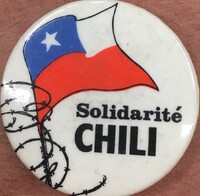 Resistance, Rights and Refuge: Britain and Chile 50 years after the Chilean coup
 September 2023 marks 50 years since the violent military overthrow of Chile’s democratically elected left-wing Popular Unity government. An exhibition curated by Tanya Harmer and Gloria Miqueles at LSE Library explores the importance of marking this anniversary at a time when democracy around the world is, once again, under threat.
-
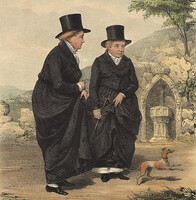 Revealing LGBTQ+ history through Archives Hub
 Archives Hub explores a fascinating range of archives relating to LGBTQ+ history and collections.
-
 RGS Newcastle 500th Microsite
 Explore our RGS 500th microsite, marking 500 years since the founding legacy of the Royal Grammar School, Newcastle. The site covers all aspects of the school's long history, arranged into ten key themes and featuring images from our archive collections. Find out more about the history of our various sites, our traditions, academic life, sporting heritage, and many other topics.
-
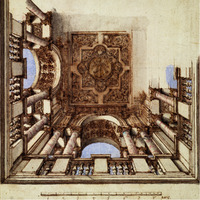 RIBA Collections
 We care for one of the largest and most wide-ranging architectural collections in the world. Over four million items together represent a unique body of knowledge that is rich and global in scope.
-
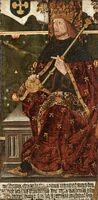 Rituals of Power
 Explore “Rituals of Power” in the Society’s new online exhibition