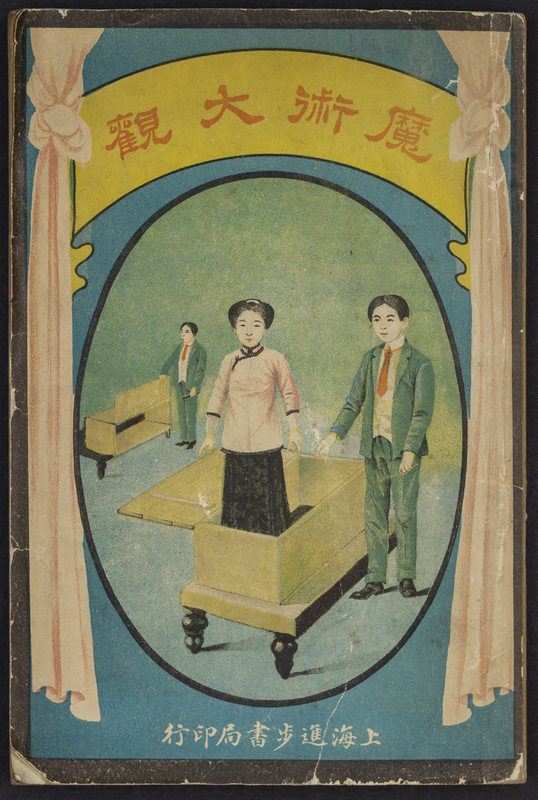
This book (Translated title: The devil's art from top to bottom: Exhaustive Exposé of Magic) features many tricks from western conjuring manuals including magic lanterns, optical illusions, trick tables, the Sphinx, the Cabinet of Proteus and handkerchief and coin magic. The cover shows a trunk transposition, with the female performer being locked in one trunk and then appearing from another.
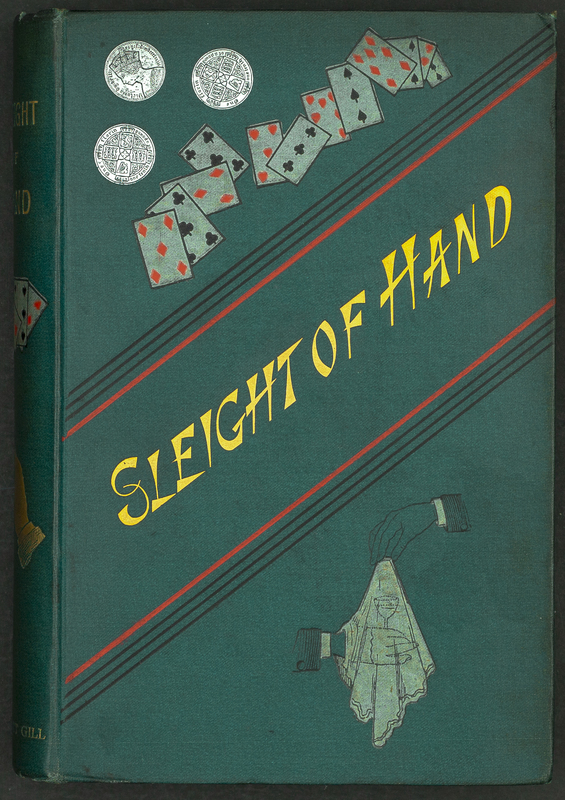
This book from the Harry Price Library describes the skills required for sleights and misdirection used in drawing room magic, the performance space of most amateur magicians, and in ‘grand magic’ for the stage. It began as a series of articles in the Bazaar Exchange and Mart before being collected in a book in 1877.
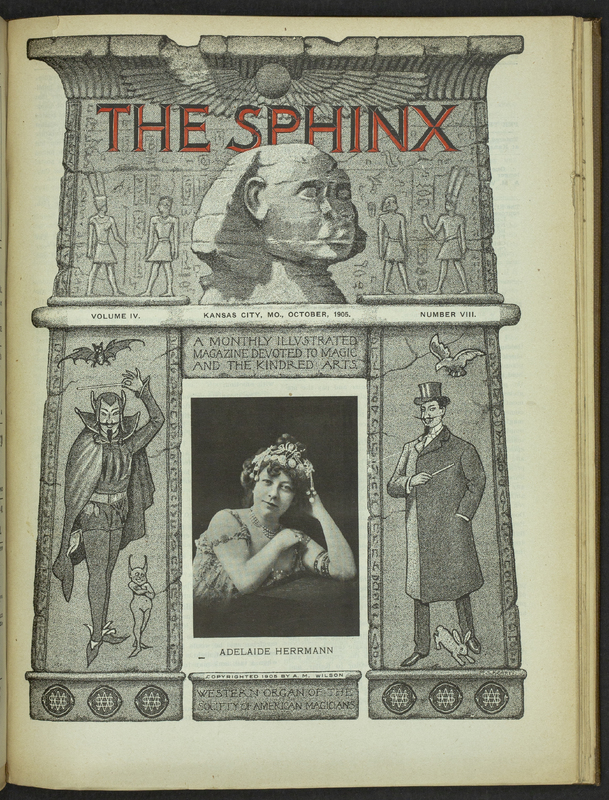
Women in magic are often in a minority and overlooked. Adelaide Herrmann, known as the Queen of Magic across America, was renowned for her version of the bullet catch trick and skill with billiard balls. She featured often in the magical and popular press and appears here on the cover of The Sphinx.
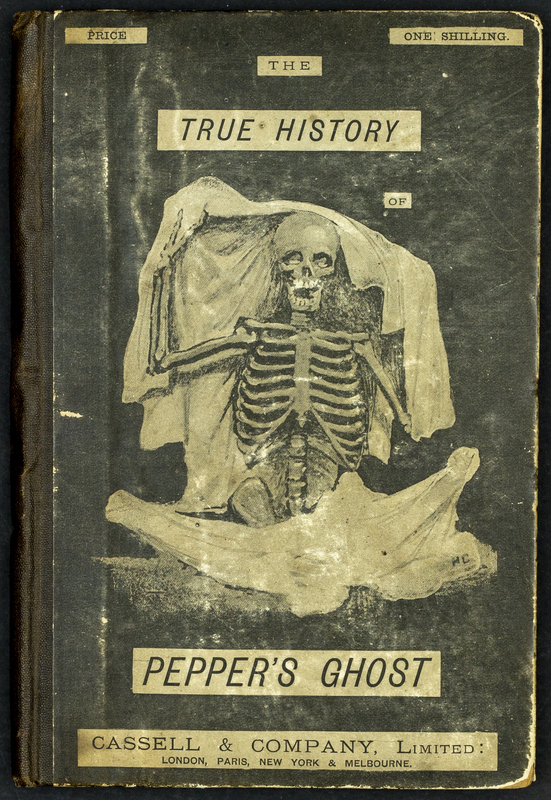
Pepper’s Ghost was a sensation of the Victorian age: an optical illusion that produced the image of a ghost onstage through a combination of light and reflections through glass. Attributed to Henry Dircks, the invention showed the usefulness of glass in creating stage illusions. This book tells the story of the full history of the effect's origin and development.
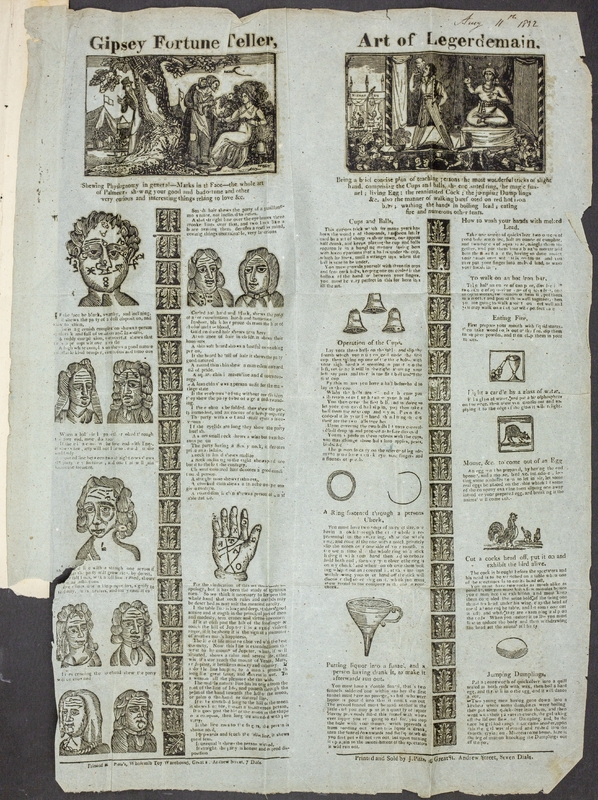
Printed on one side of a single sheet, this article gives concise instructions in learning the arts of conjuring, including the cups and balls, decapitating and reviving a cockerel, and stunts such as walking on hot iron bars and fire-eating. Broadsides or broadsheets were produced as cheaply as possible as forms of mass entertainment, as such they were ephemeral and can be incredibly rare. It was printed with the Gypsey Fortune Teller, revealing the secrets of physiognomy and palmistry.
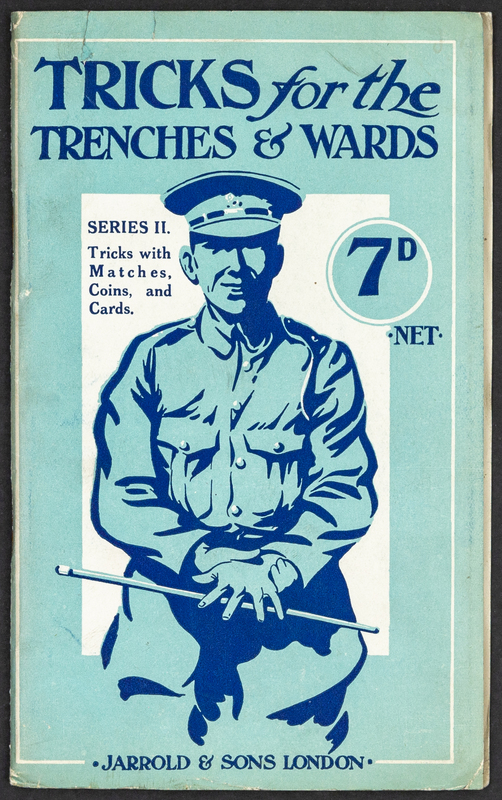
Written by Charles Folkard, professional magician and illustrator, under the pseudonym Draklof, this was a popular series of two pamphlets containing simple tricks with basic props, such as matches and coins that could be mastered easily and performed by a nurse or soldier.
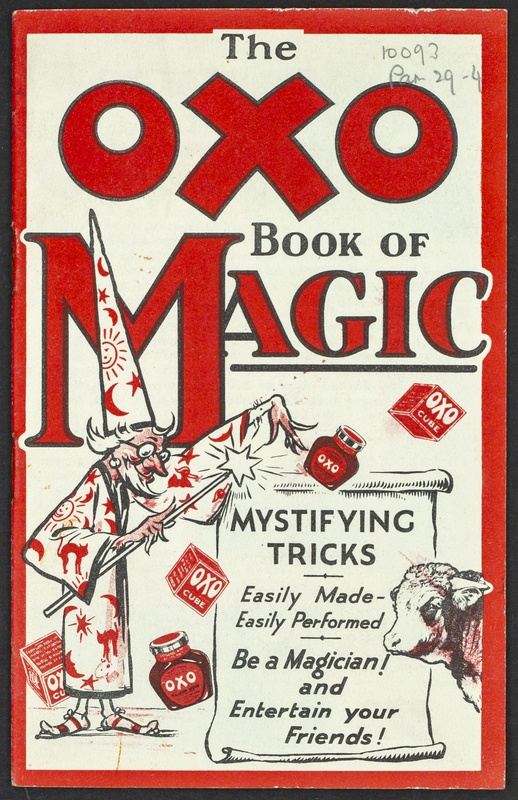
This small pamphlet re-purposes simple, classic tricks for use with Oxo products and packaging - an example of using magic for advertising and promotion. It was sent to several magic magazines and received positive mentions, for the potential of its wide distribution to stimulate interest in magic and as an advertising gimmick.
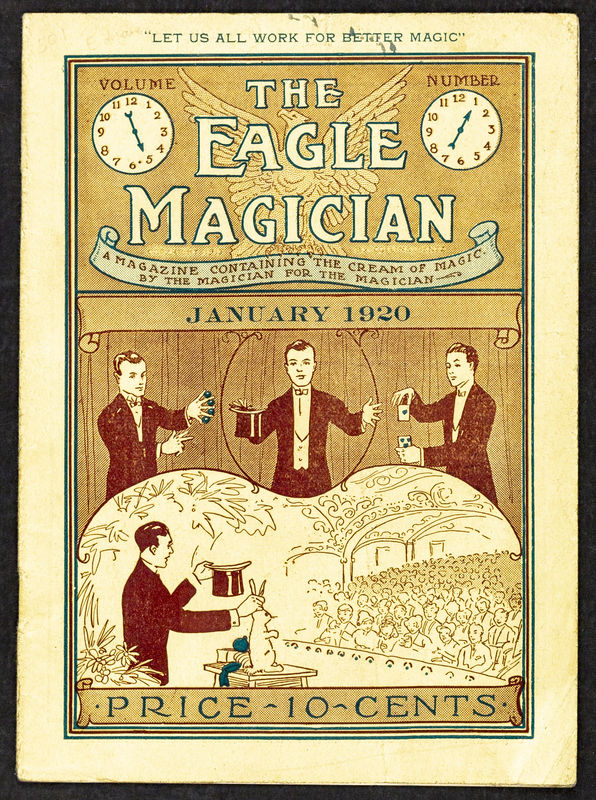
This periodical was published between 1915 and 1922 by Collins Pentz in Minnesota. Pentz started in magic as a dealer and inventor of magic effects, establishing a mail order company in 1896 before creating the Eagle Magic Factory in 1901, as well as organising several magic clubs. The journal covered tricks and advice for professional and amateur magicians.
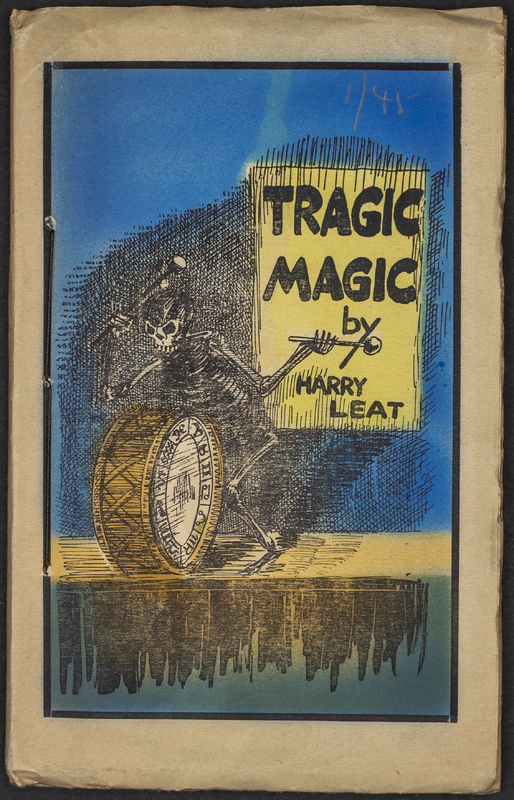
This pamphlet of magical miscellany uses some interesting imagery on its wrappers. Skeletons are commonly used in magic, but the combination with a drum, bearing symbols similar to those used in the Magic Circle logo, conjures up ideas of mortality and death. Harry Leat was an author and dealer of magic books and equipment. He was also known for his outspoken criticism of some of his colleagues, which is included in this book.
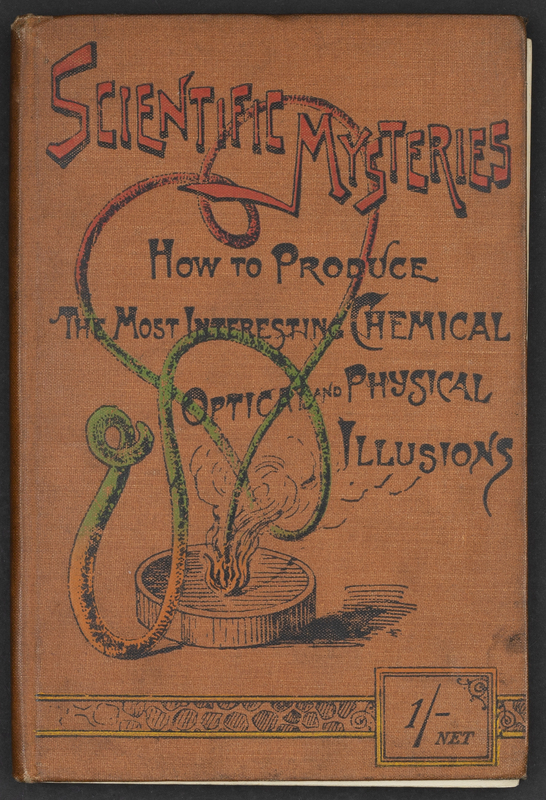
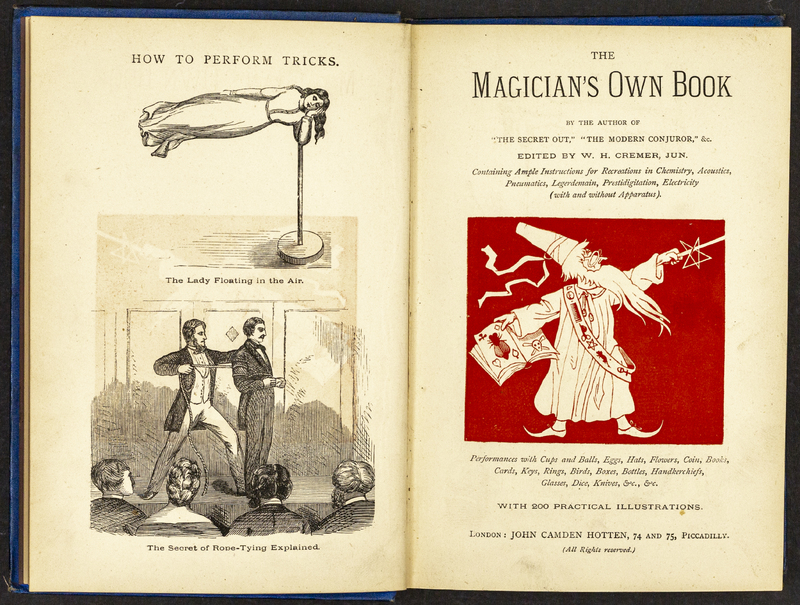
A later book that combines magic and scientific experiments. Experiments with gases, phosphorus, metals, crystallisation and even ‘nihilist bombs’ are alongside invisible inks, inexhaustible bottles, colour changing flowers and the diving imp, often featured in early conjuring books. Important optical illusions of 19th century theatre are also present: stage ghosts, a version of Pepper’s ghost using glass to reflect an actor's image onto the stage and ‘decapitation no murder’.
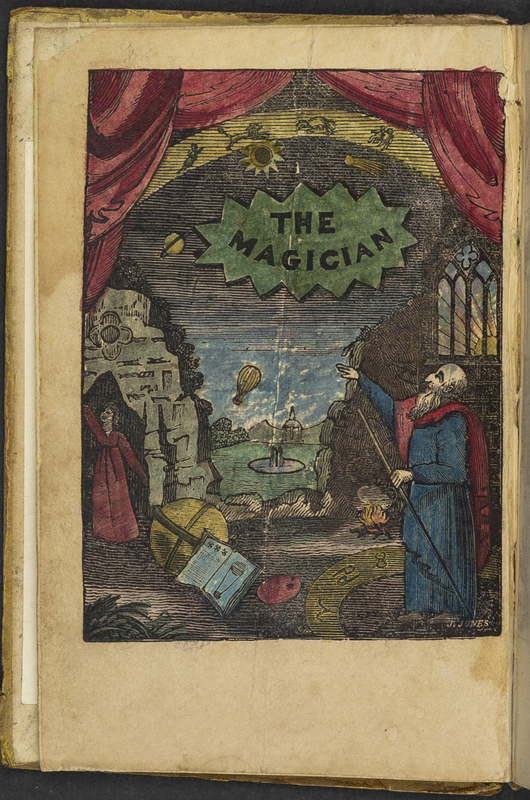
This little book combines legerdemain, scientific curiosities, feats of strength and accounts of unexplained phenomena. Although this book is rare, books combining these subjects as amusements for readers were common in the late 18th and early 19th century, popularising both magic and experiments in chemistry and physics.
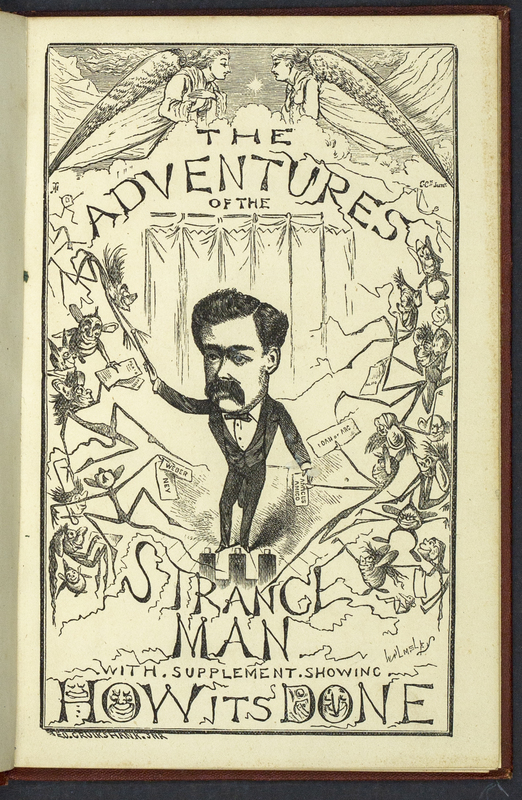
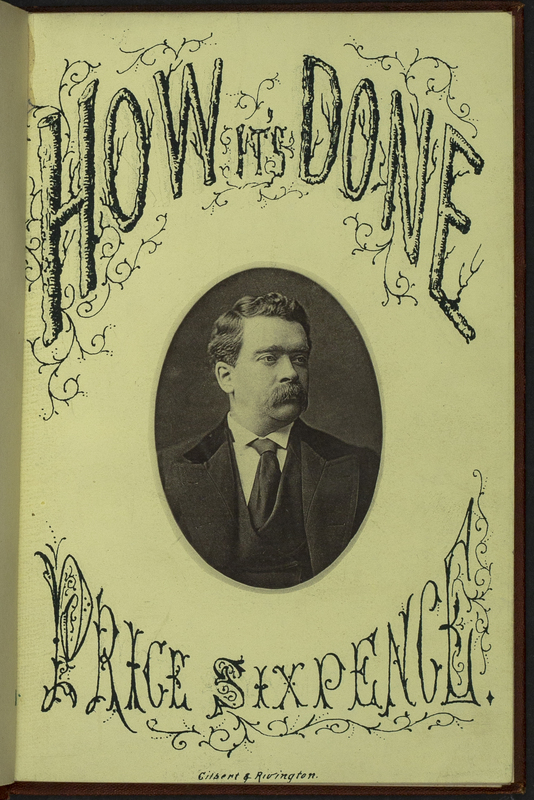
Dr Hugh Simmons Lynn toured many countries and this book, with a frontispiece by George Cruickshank Jr, records his adventures. Lynn was possibly the first to perform the Japanese Butterfly Trick in the West in 1864, and from 1873 he performed a wide-ranging magic show at the Egyptian Hall. Lynn’s patter included the phrase ‘that’s how it’s done’ and it became a popular catch phrase, no doubt helped by this book.
Dr Hugh Simmons Lynn toured many countries and this book, with a frontispiece by George Cruickshank Jr, records his adventures. Lynn was possibly the first to perform the Japanese Butterfly Trick in the West in 1864, and from 1873 he performed a wide-ranging magic show at the Egyptian Hall. Lynn’s patter included the phrase ‘that’s how it’s done’ and it became a popular catch phrase, no doubt helped by this book.
The cover and author of this book allude to Harry Kellar, the “Dean of American Magic” and his illusion the “the levitation of Princess Karnac.” It’s unlikely the Prof. Keller of the book is the same great magician: it was actually an American reprint of Robert Ganthony's "Bunkum Entertainments", published in London in 1895. The book features a small section on conjuring along with fortune telling, mind reading, physiognomy, juggling, phrenology, phonography and ventriloquism.
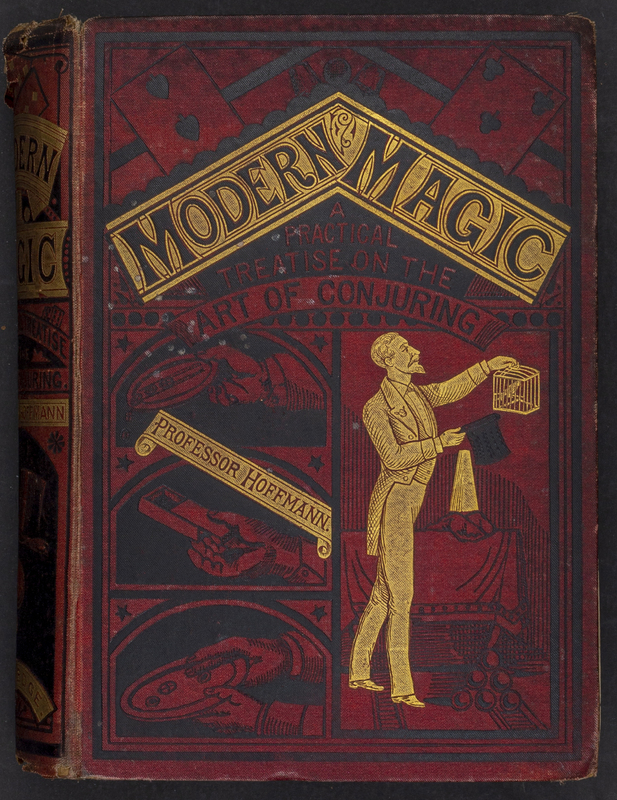
Modern Magic is a landmark in magic books. Published in successive editions, it was the first in a tetralogy of books - More Magic (1890), Later Magic (1903) and Latest Magic (1918) - that for the first time attempted to create an encyclopaedic and instructional book of performance magic. It became a textbook for aspiring magicians and a record of the contemporary practice of magic.
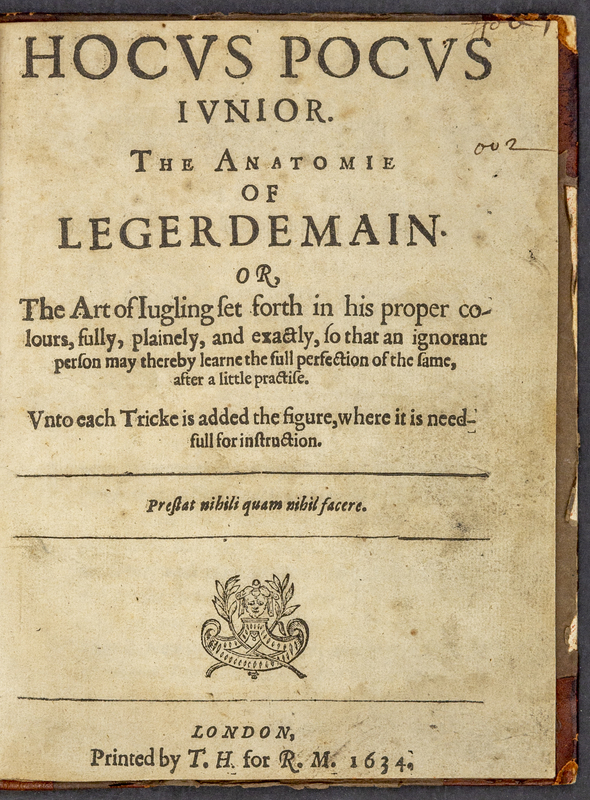
This is the earliest illustrated English book devoted to conjuring, covering the usual tricks with cups and balls, coins, cards and confederates. The man behind the book may have been William Vincent, licensed under King James I to ‘exercise the art of Legerdemaine’. He became known as ‘the King’s most excellent Hocus Pocus.’
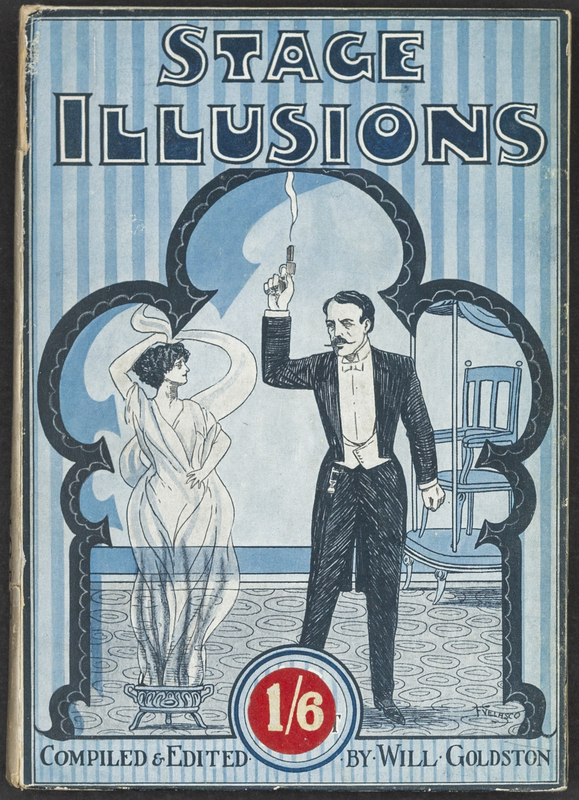
Will Goldston was a prolific writer and publisher of guides, biographies, histories and manuals of magic, who also had a short-lived stage career performing a black art act under the name Carl Devo. After leaving the Magic Circle in 1911, he founded his own society, Magicians' Club of London. Goldston wrote and published many books revealing magicians’ secrets. This book, largely compiled from material in magazines, reveals the mechanics behind illusions.
This compendium of magic tricks and illusions draws heavily on earlier American conjuring books with some additions. The illustrations on the frontispiece featuring acts that were common in the performances of European conjurors, such as Robert-Houdin, but that also have roots in Indian magic.
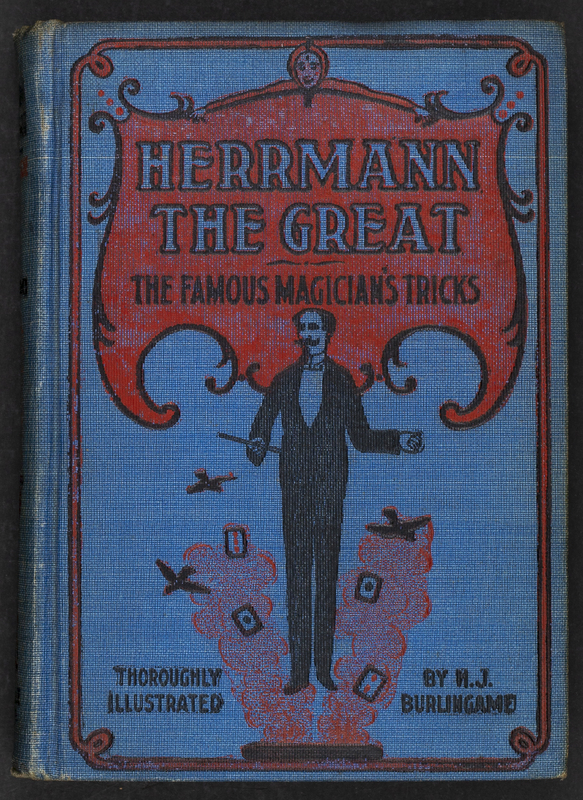
Alexander Herrmann was part of a dynasty of French magicians who had his greatest success on the American stage. Herrmann’s shows were particularly noted for their humour and his showmanship. He was one of the few magicians to actually pull a rabbit from a hat.
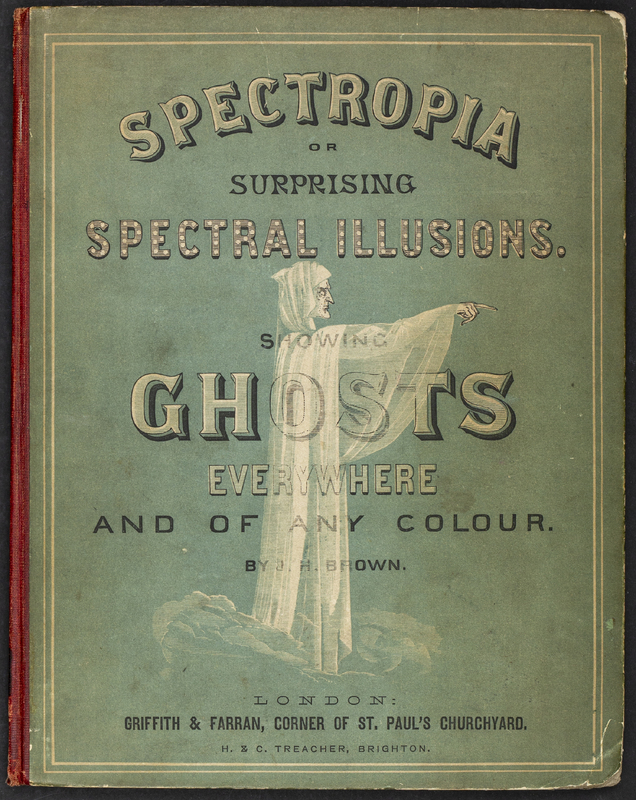
This book allowed the reader to create optical illusions of ghostly figures, a common feature of 19th century magic acts. The book came with a scientific explanation of the afterimage effect that it uses to create optical illusions. The author hoped it would help combat superstitious beliefs that such apparitions were genuine ghosts.
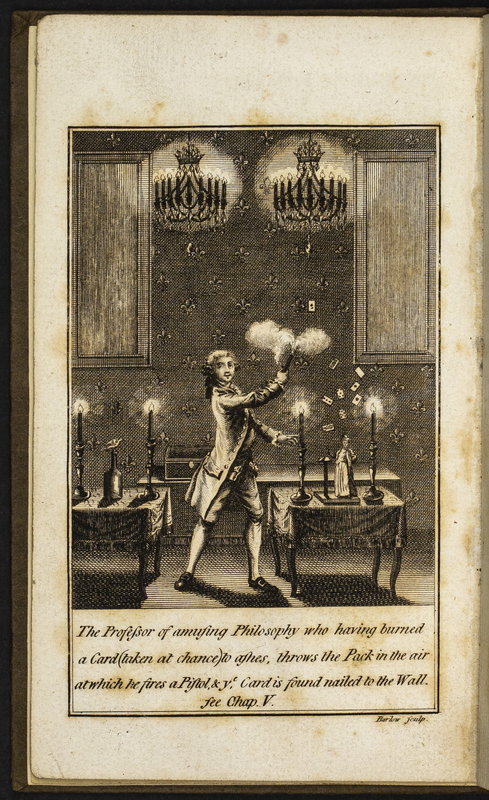
This book was first published in French in 1784 as La Magic Blanche Dévoilée. Decremps’s aim was to expose what he saw as the fraud of performers who profited from their audience’s ignorance rather than to train his readers in performing tricks themselves. This frontispiece depicts a version ‘The card nailed to the wall with a pistol shot’ which involves the conjuror firing a nail at a pack of cards that have been thrown into the air and skewering the card selected by the audience.
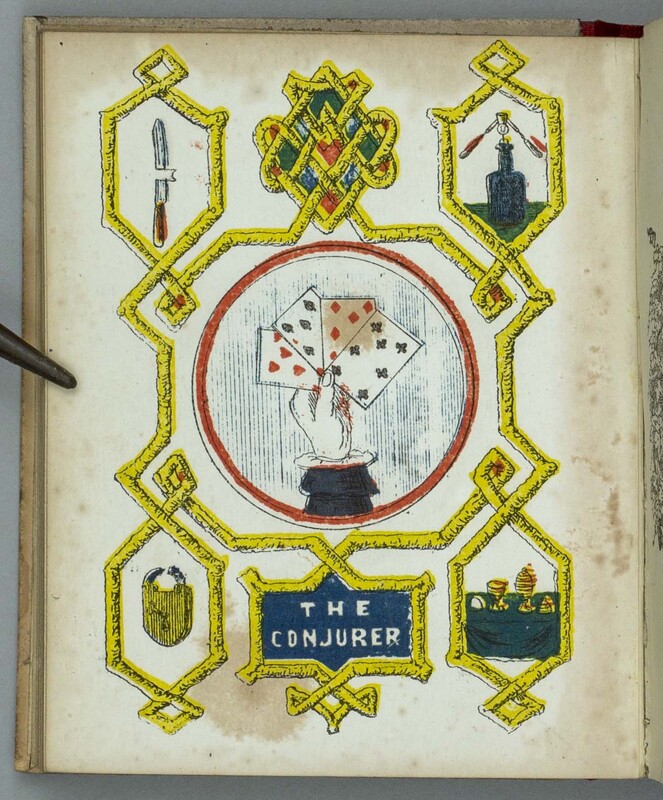
The roles of boys and girls became more defined in the early 19th century and began to diverge from each other. Books like this were intended for boys who attended school, rather than work, to ensure they used their leisure time productively. Conjuring became a key part of these books alongside other indoor and outdoor pursuits. It was considered a fitting diversion for an ingenious to boy to entertain themselves and their friends.
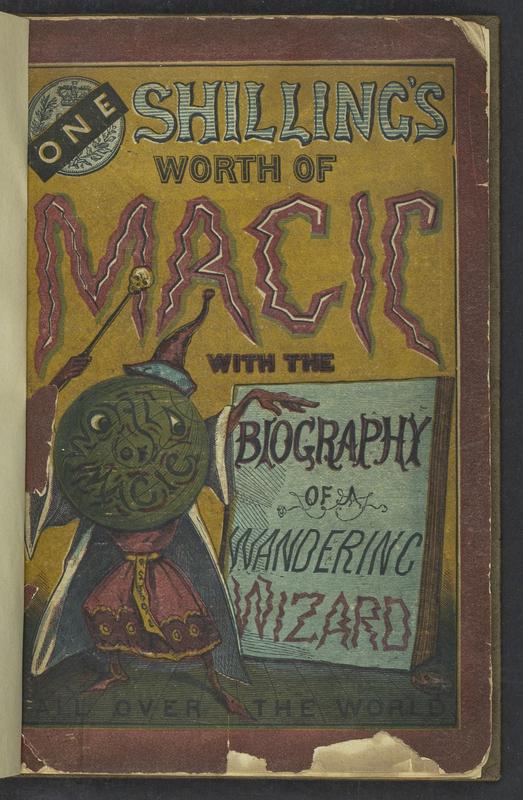
This chapbook, a small cheaply produced paper-covered booklet, takes its content from many other guides to the conjuring arts from the late 18th and early 19th century. The book was aimed at children, with an advertisement on the back cover offering ‘children’s books, one penny each’ from the publisher, Thomas Richardson.
John Henry Anderson is one of the first great names of modern magic. He claimed that the title of ‘The Great Wizard of the North’ was conferred on him by Sir Walter Scott. His belief in the importance of creating a performance that was entertaining and dazzled the audience rather than just being a demonstration of skill helped established magic as an important fixture of the stage.
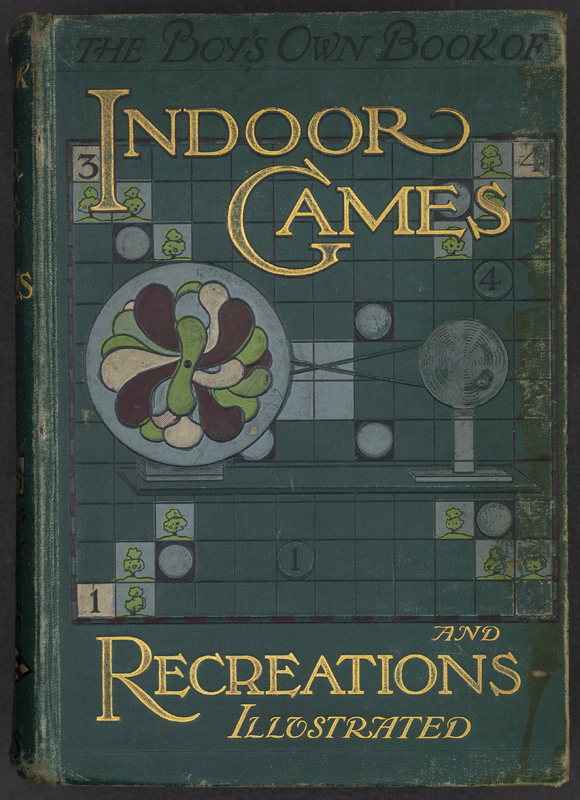
The book comes from the tradition of newspapers, magazines, journals and books for boys with amusement and entertainment for their leisure time. Boy’s Own publications began to appear in the mid-19th century in America and Britain and featured stories, activities, sports and hobbies. This extensive book focuses on activities that boys could do at home, particularly involving building their own apparatus. It covers conjuring, experiments, board games among many other activities.